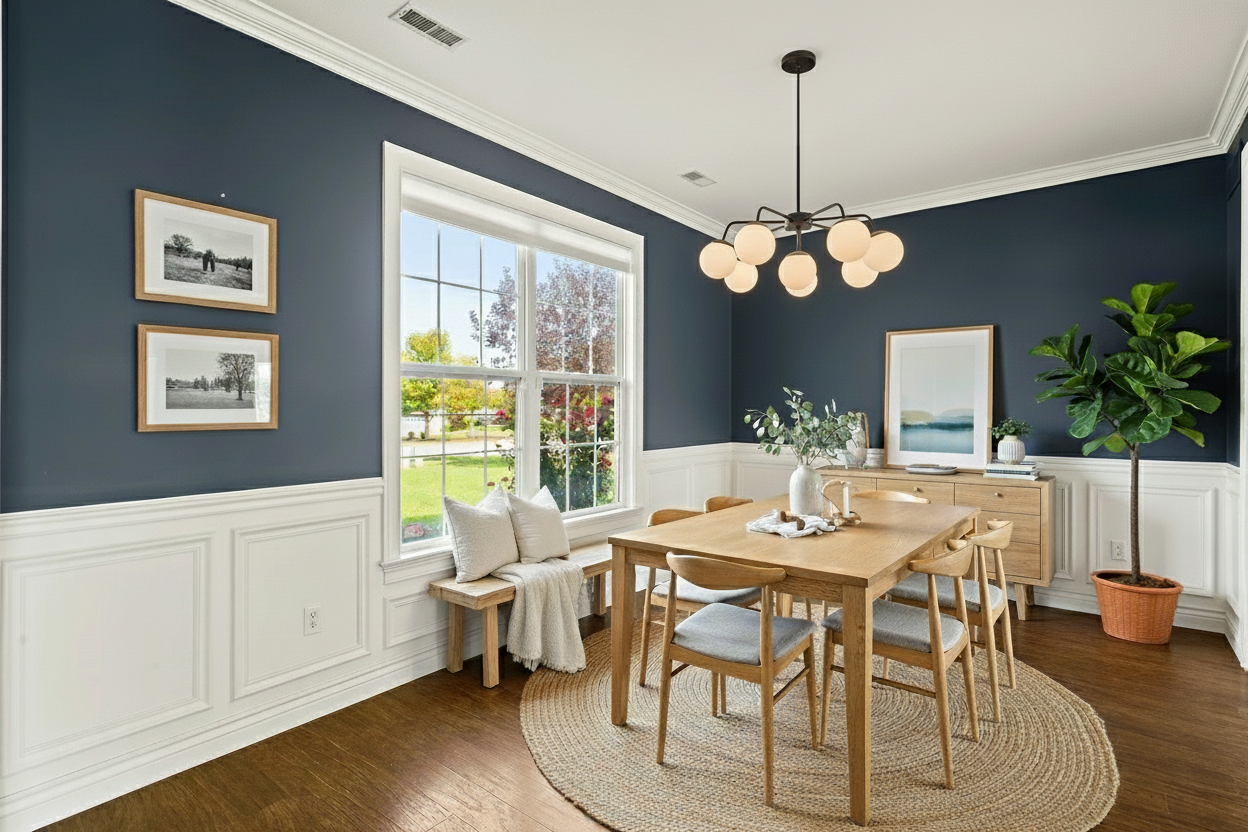
Days on market is the silent killer of real estate deals, and most agents don’t realize their listing photos are the primary culprit. When properties sit for weeks without offers, the problem usually isn’t pricing but the first impression buyers get from poorly executed photography. Bad photos don’t just reduce interest; they actively add days to your market time, costing sellers thousands in price reductions and agents valuable commission dollars.
In this article, we’ll cover:
- Why days on market matters more than most agents think,
- how to distinguish between average and local DOM metrics,
- the hidden ways poor photography extends your listing timeline, and
- the exact checklist you need to reduce days on market starting with your very next listing.
If your properties are sitting longer than comparable homes in your area, the solution is fixing what buyers see first.
AgentFlip.ai transform any room into a professionally staged space in seconds without coordinating photographers or designers. Upload your photos, choose your style, and get market-ready listing images that stop the scroll and compress your days on market.
Why Days on Market Is the Metric That Actually Hurts Agents
Days on market (DOM) is the number of days between when a listing goes active and when it goes under contract. It’s the one metric every seller obsesses over and every buyer uses to judge value.
Why high DOM hurts your listing:
- Buyer perception shifts from “opportunity” to “problem property” after crossing local averages
- Showing volume drops dramatically once a listing becomes “old news” in the MLS
- Price reduction pressure intensifies as sellers panic and demand aggressive cuts
- Negotiating leverage tilts to buyers who assume extended DOM means desperation
Understanding Average Days on Market vs. Local Days on Market
Average days on market tracks the mean DOM across broader geographic areas like cities, counties, or states. It’s useful for understanding general market conditions but too broad for individual listing strategy.
Local days on market measures DOM within your specific micro-market—your subdivision, school district, or zip code. This is the metric that actually determines buyer behavior and expectations in your immediate area.
Key Differences
| Average Days on Market | Local Days on Market |
|---|---|
| Citywide or countywide scope | Neighborhood or zip code specific |
| Shows general market trends | Reflects your immediate competition |
| Less relevant for pricing strategy | Critical for setting expectations |
| Example: 45 days citywide | Example: 15 days in your subdivision |
| Too broad to guide decisions | Defines what “normal” vs “problem” looks like |
When your listing exceeds local DOM averages, buyers immediately assume pricing issues or property defects even if neither is true.
Why High Days on Market Destroys Value
Once your listing crosses the local DOM threshold, you’re not just losing time but actively destroying perceived value. Understanding why this happens helps you prevent it before the damage is done.
1. Lower Perceived Value
Buyers automatically assume homes sitting for weeks are overpriced or hiding defects. Even with perfect pricing aligned to comps, high DOM makes buyers approach showings with skepticism instead of excitement.
2. Fewer Showings Compound the Problem
The first two weeks generate most qualified showings. Once your listing becomes “old news,” showing requests drop dramatically and agents stop prioritizing it on buyer tours.
3. The Price Reduction Death Spiral
Sellers panic when showings slow down and demand price drops—often more aggressive than necessary. This confirms buyer suspicions that something was wrong all along, turning a photo problem into a profit problem.
How Bad Listing Photos Increase Days on Market
Now that you understand why DOM matters and how it destroys value, let’s examine the most common culprit: poor listing photography.
Most agents focus on pricing and physical staging while completely overlooking the photos.
1. Low Click-Through Rates on Listing Platforms
Poor lighting, clutter, and amateur composition kill engagement before buyers ever read your description. When photos don’t stand out in thumbnail grids, buyers never click through to see the details that might actually sell the home.
2. Empty Rooms That Don’t Help Buyers Visualize the Space
Vacant spaces look smaller, colder, and confusing without reference points for scale. Buyers can’t mentally move in, so they keep scrolling to listings where the lifestyle is already clear.
3. Inconsistent or Unprofessional Visuals Signal Poor Quality
Mixed lighting, crooked lines, and inconsistent editing make buyers question overall property quality. If you cut corners on photos, they assume you cut corners elsewhere too.
Real Examples: improving property photos with AgentFlip AI to reduce days on the market
Consider the listings below.
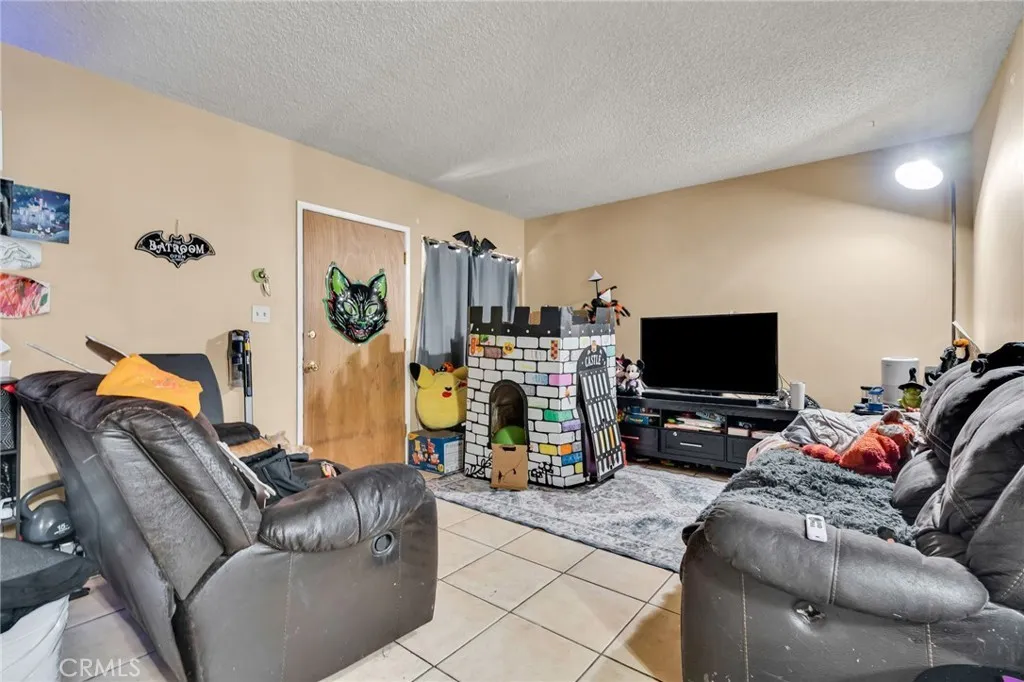
Example Listing #1:
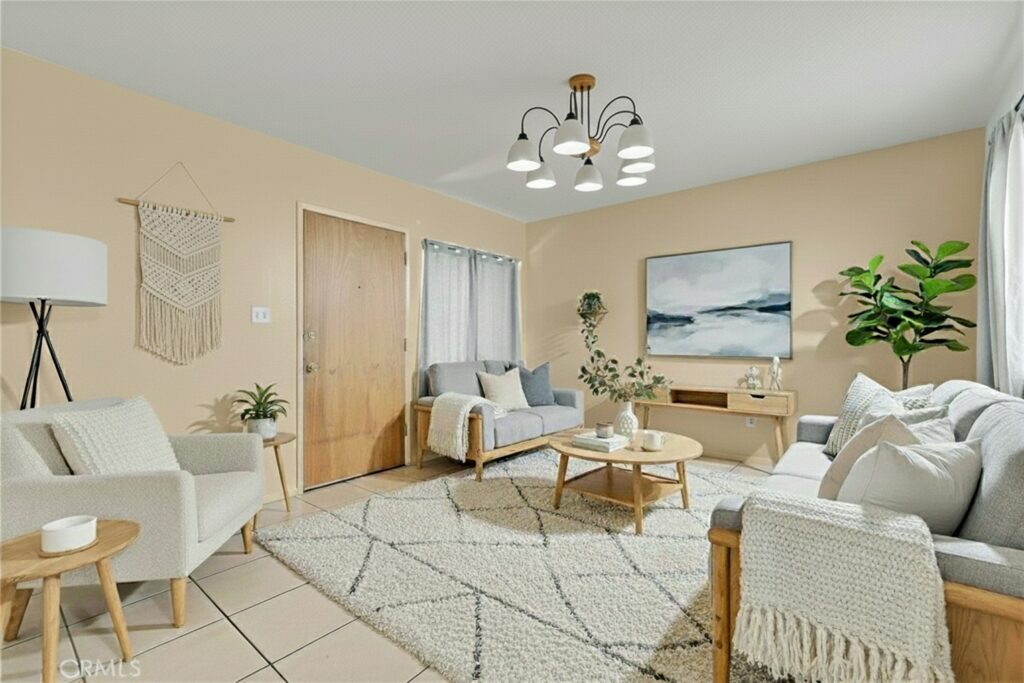
Before virtual staging with AgentFlip AI; the property has the cluttered look from poor design choices of the person living in it. Nothing wrong with the room.
After virtual staging with AgentFlip AI: the property now looks cleaner, maintains the same exact structure and shows the potential of the property.
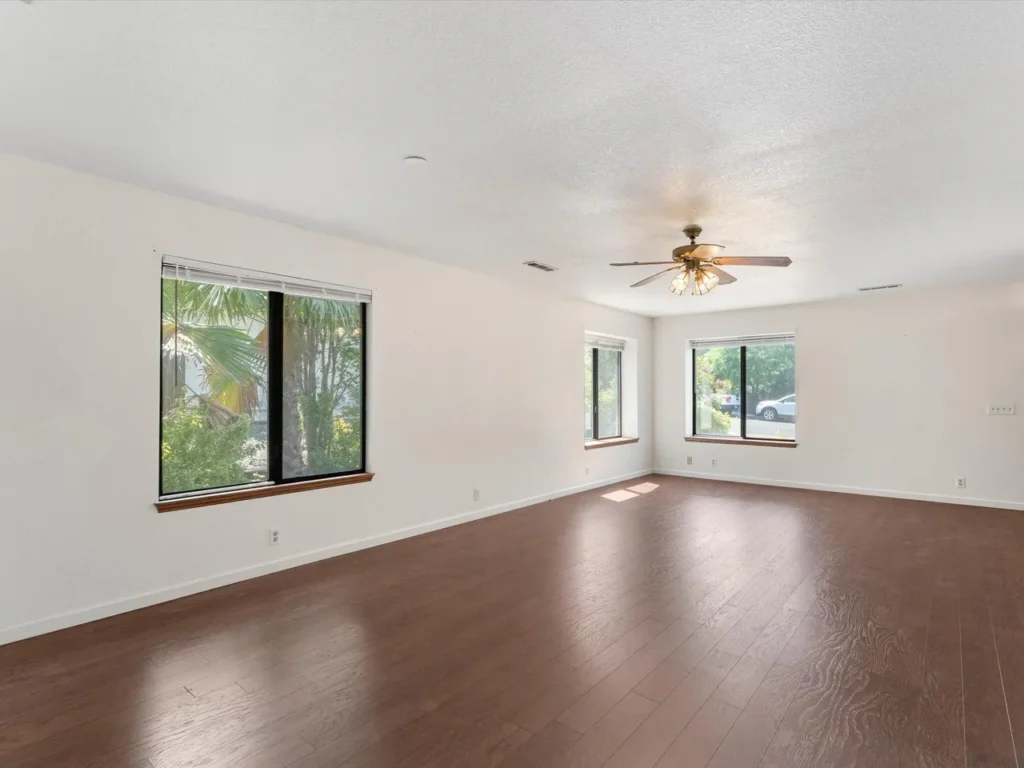
Example Listing #2
Before virtual staging with AgentFlip AI: the photo is good in quality, but it shows an empty room. This look doesn’t give the buyer much to go with regarding the property’s potential. The realtor here has the choice to spend $3,000 to physically stage this space before they can even take any calls, or to stage it virtually with AgentFlip AI and disclose to potential sellers that the room is virtually staged. He chooses to stage it virtually on AgentFlip AI with full disclosure.
After virtual staging with AgentFlip AI: the property now shows the staged empty room, showing how the interior design of the room can look like. More importantly, to the sellers, it shows them how they can fit the room.
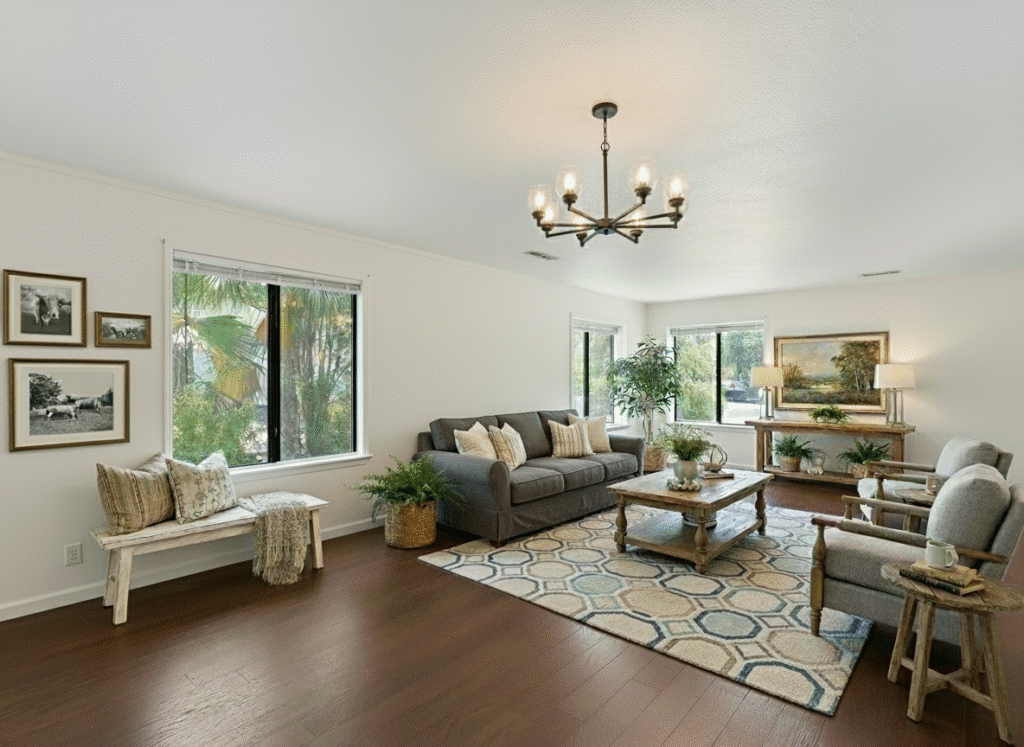
How Virtual Staging Reduces Days on Market
Virtual staging has become one of the most effective tools to reduce days on market, especially for properties that photograph empty or dated.
- Adding realistic elements to photos
Using AI or digital design, virtual staging adds realistic furniture, decor, and lifestyle elements to listing photos, transforming vacant rooms into aspirational spaces that buyers can immediately imagine living in.
- Buyer psychology
The impact on buyer psychology is substantial. Instead of staring at blank walls and trying to mentally furnish a room, buyers see a fully realized vision of how the space works.
Virtual staging shows lifestyle, not just square footage. It demonstrates traffic flow, furniture scale, and how each room can serve its intended purpose. This emotional connection shortens the decision cycle and increases offer likelihood.
- Delivers more value while costing 1000x less than the cost of physical staging
Virtual staging AI is especially effective for vacant listings, new construction properties, and investor-owned homes where physical staging isn’t financially viable.
It costs a fraction of traditional staging, often under a dollar per room versus thousands for physical furniture rental
The ROI on reducing days on market by even one or two weeks typically far exceeds the modest investment in virtual staging. For empty properties, it’s not optional anymore; it’s essential to competitive days on market performance.
Common Realtor Mistakes That Accidentally Increase Days on Market
Even experienced agents make preventable errors that add unnecessary days to market. Recognizing these mistakes helps you avoid them on your next listing.
1. The “Wait and See” Approach
Launching with subpar photos and planning to update them later misunderstands momentum.
Most qualified buyers see your listing in the first seventy-two hours.
Lose them with bad photos, and they’re gone forever.
2. Over-Editing or Unrealistic Staging
When virtual staging looks cartoonish or photos are heavily edited, buyers feel deceived at showings.
This tanks your showing-to-offer conversion rate despite strong initial clicks.
AgentFlip AI is trained to keep the structural integrity of your room, only staging your furniture and other movable elements.
3. Using Too Many Photos With No Clear Story
Uploading thirty-five photos with no strategic sequence overwhelms buyers.
You need a clear visual narrative: hero shot first, logical flow through spaces, then secondary rooms.
4. Letting Sellers Control Photo Quality
Sellers have emotional attachments that cloud judgment.
Your job is controlling the visual narrative professionally, not deferring to seller sentiment that costs weeks on market.
Use this Checklist to Reduce Days on Market With Better Photos
✓ Schedule Photography for Peak Natural Light
Book your photographer for midday when homes are brightest.
Natural light makes spaces feel larger and more inviting than any artificial lighting setup.
✓ Use Wide-Angle Lenses With Straight Verticals
Capture room dimensions accurately without fisheye distortion.
Ensure all vertical lines are perfectly straight. Crooked photos signal amateur work.
✓ Perfect Your Hero Image First
Your first photo determines if buyers see photo number two.
It should be an exterior shot or your most impressive interior space that stops the scroll immediately.
✓ Virtually Stage All Empty Rooms
The cost is negligible compared to DOM risk.
Match staging style to the home’s aesthetic and target buyer demographic for maximum emotional impact.
✓ Maintain Consistent Editing Across All Photos
Use the same color temperature, brightness, and editing style throughout.
Your listing should tell a cohesive visual story, not look like a random image collection.
✓ Optimize Photos for Mobile Viewing
Most buyers browse on phones.
Test how your photos appear as thumbnails and ensure key features remain visible when images are small.
✓ Lead With a Clear Visual Narrative
Sequence matters: stunning exterior or living space first, logical flow through main areas, highlighted unique features, then secondary spaces.
Never randomize your photo order.
Final Thoughts: Photos Control Days on Market
Days on market isn’t just about pricing strategy and location advantages. DOM is fundamentally controlled by buyer interest velocity, and nothing influences that velocity more immediately than your listing photos.
The fastest path to reducing days on market is fixing what buyers see first: the visual presentation.
High days on market creates compounding problems like perception issues, reduced showing volume, price reduction pressure, and ultimate profit loss.
Most of these problems trace back to poor initial buyer engagement caused by inadequate photography.
The inverse is equally true: exceptional photos create early momentum that compresses the entire sales timeline and maximizes final sale price.
Invest in professional photography. Use a virtual staging AI platform like AgentFlip AI for empty spaces, cluttered setups or even a change in style.
Frequently Asked Questions About Days on Market
1. What does “days on market” actually mean?
Days on market (DOM) measures the number of days between when a listing becomes active and when it goes under contract. It’s one of the most closely watched metrics by both sellers and buyers.
2. How many days on market is too many?
It depends on your local market. Compare your listing to the average days on market in your specific neighborhood or zip code, not citywide averages.
Exceeding local DOM by fifty percent or more typically triggers buyer skepticism.
3. Can better photos really reduce days on market?
Yes. Properties with professional photography and virtual staging consistently show twenty to forty percent faster sale times compared to similar properties with amateur photos.
The ROI on photo quality is one of the highest in real estate marketing.
Leave a Reply